Registered PCO P54412 · 30+ years in Durban
Rat Exterminator and Rodent Control in Durban
Rats and mice move fast once they find a way into a roof, wall cavity, or garden, chewing through wiring, insulation, and stored food along the way. As a trusted Durban pest control provider and rodent exterminator, we help homeowners and landlords confirm an infestation and deal with it properly the first time, from a single mouse to an established rat colony in the roof.
Rather put it in writing? Get a free quote · We’ll beat any written quote.
- Same-day call-outs
- Family-run, 30+ years
- We’ll beat any quote
 Mark AbrahamOwner & registered pest control operator


Signs of Rats & Rodents in Your Home
Rodents are mostly active at night and stay out of sight, so hearing or seeing one is rarely the full picture. Watch for these warning signs before an infestation spreads.
Small, dark, pellet-shaped droppings near food storage, skirting boards, or in the roof are one of the clearest signs of activity.
Rats and mice gnaw constantly to keep their teeth short, leaving chew marks on skirting, cables, and food packaging.
Scratching or scurrying in the ceiling or wall cavities after dark usually means rodents are nesting nearby.
Dark smudges along skirting boards or beams come from body oil as rodents repeatedly travel the same route.
Shredded paper, insulation, or fabric gathered into a nest is a sign rodents have settled in for the long term.
Torn or gnawed-through packets and containers in pantries or store rooms point to rodents feeding indoors.
The Rats & Mice We Deal With in Durban
Not every rodent behaves the same way. Knowing which one you have tells us where it lives, how it moves and where bait and traps need to go.
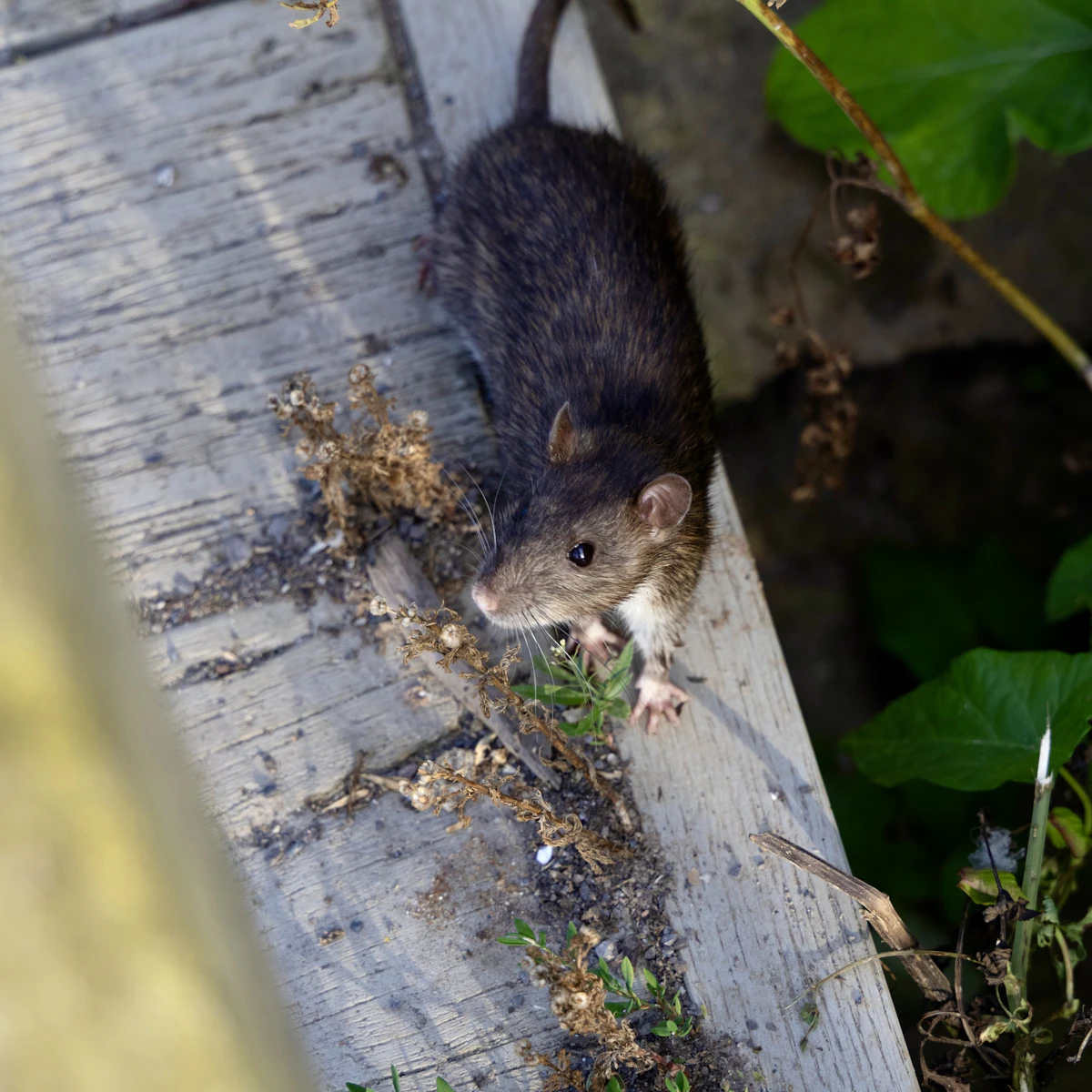
Large, heavy-bodied and blunt-nosed. Lives at ground level, burrowing in gardens, along drains and under slabs. A University of KwaZulu-Natal study found it was by far the most common rat trapped across Durban’s CBD, harbour and densely built areas.
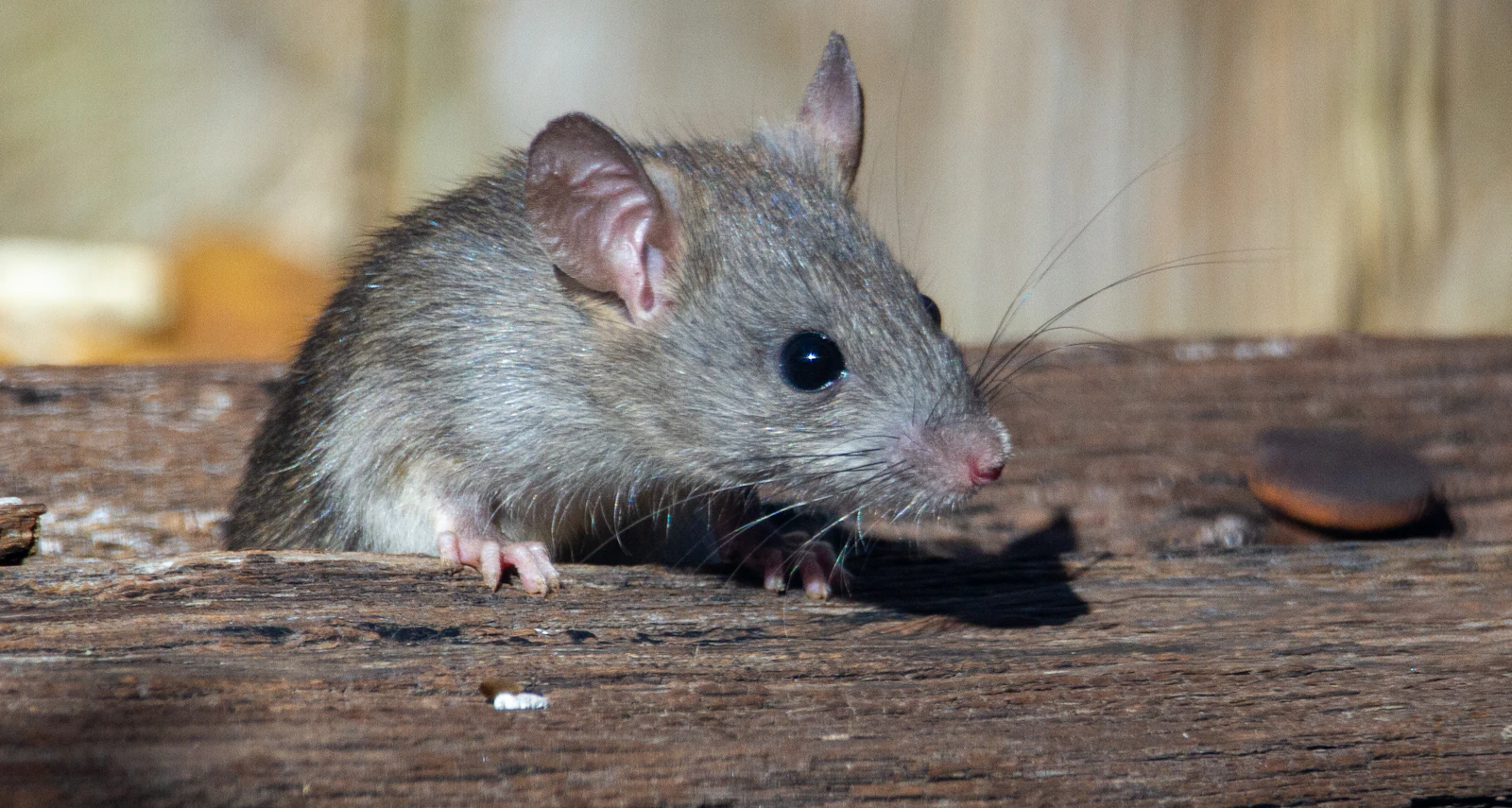
Slimmer, with large ears and a tail longer than its body. An agile climber that nests in ceilings, roof voids and trees, and the usual culprit when the scratching is overhead. The closely related Asian house rat, confirmed along the KZN coast, looks almost identical.
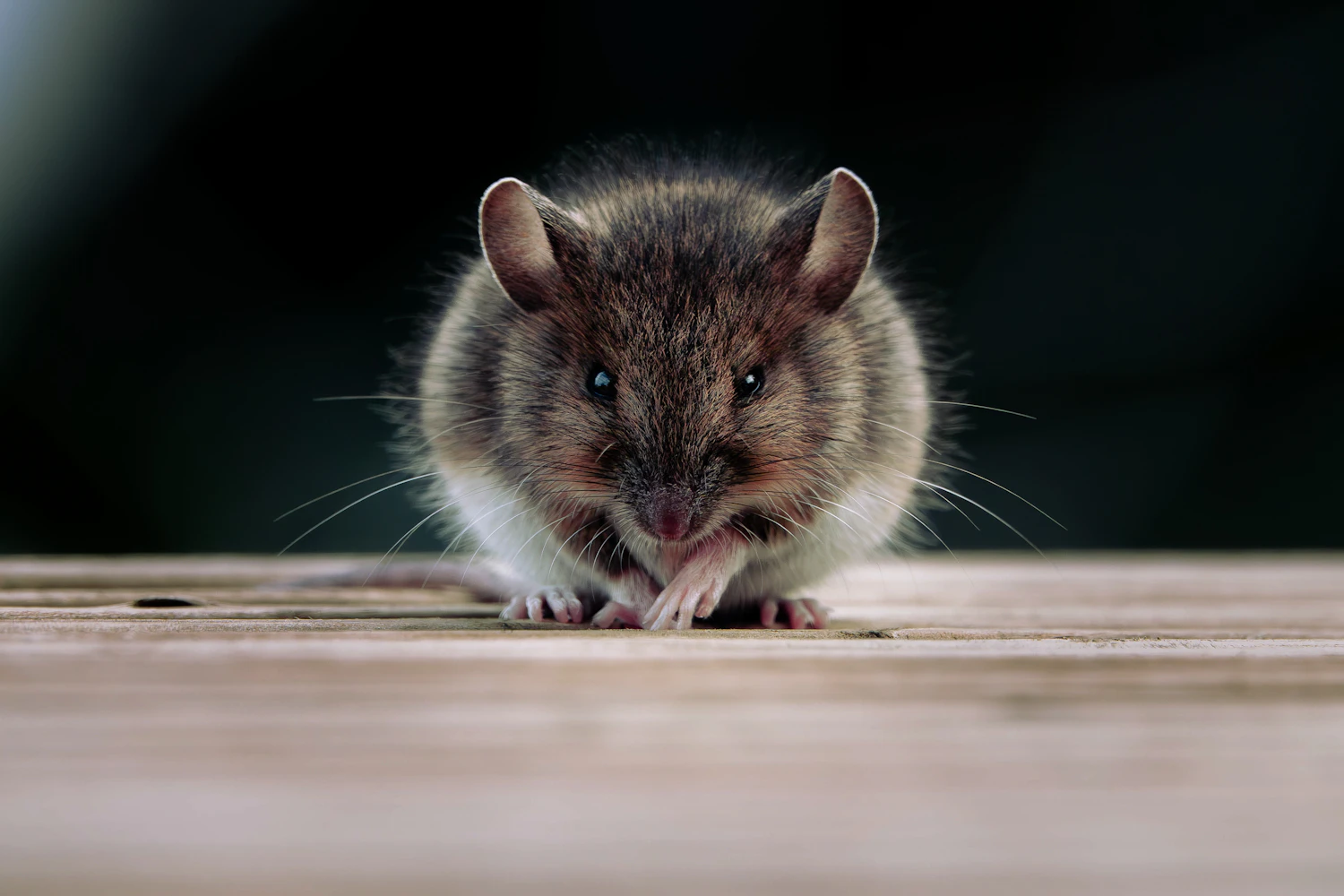
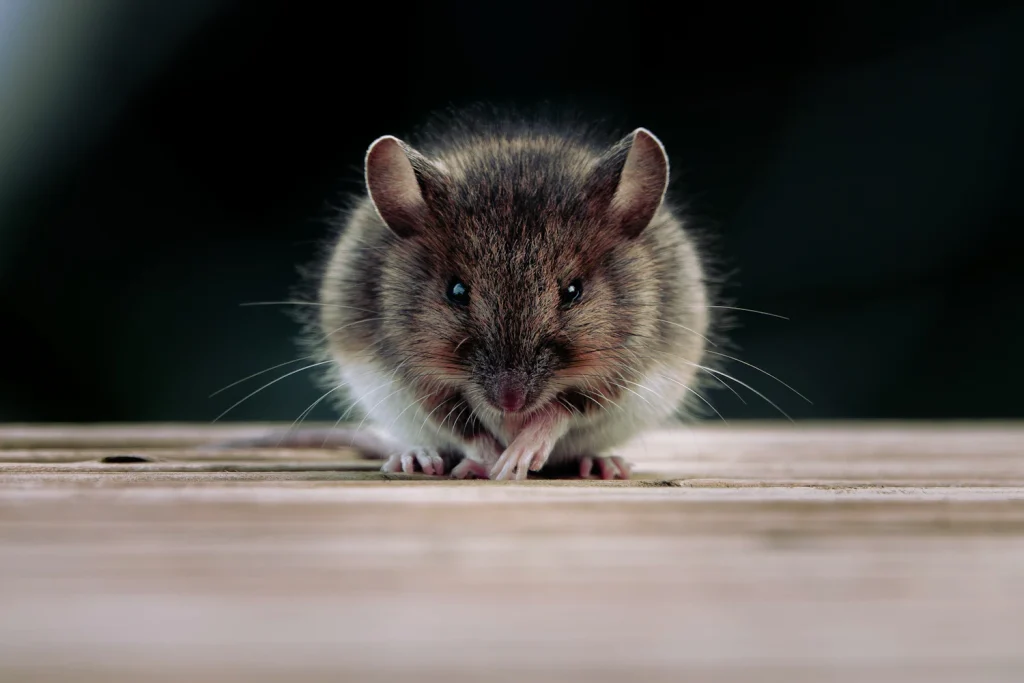
Small and quick, able to squeeze through surprisingly narrow gaps. Usually found in kitchens, pantries, wall cavities and behind appliances, often breeding unnoticed.
An indigenous mouse common in gardens, grassland and the edges of open land. It tends to move into outbuildings and homes that border veld, sugarcane or undeveloped plots.
A ground-dwelling brown rat and a climbing roof rat need bait and traps in completely different places, which is why we confirm the species before we treat.
Why Rats & Rodents Are Common in Durban Homes
Rodents follow food, water, and shelter, and Durban’s mix of climate, greenery, and housing stock makes all three easy to find.
- Warm climate with no winter die-off Mild winters mean rodent populations in Durban don’t shrink the way they do in colder regions, so numbers can build steadily year-round.
- Gardens, greenbelts, and river proximity Homes near rivers, canals, or dense vegetation give rodents natural cover and an easy route into gardens and roofs.
- Older roofs and wall cavities Many Durban homes have roof and eave gaps that are easy for rats and mice to squeeze through, especially older housing stock.
- Refuse and food waste in dense suburbs Areas with shared bins, informal food trading, or inconsistent refuse collection give rodents a steady food source close to homes.
Rats in the Roof and Ceiling
Scratching in the ceiling at night is one of the most common reasons Durban homeowners call us for rat control. Here is what is usually going on up there.
- How they get up there Fruit trees, palms, creepers and branches overhanging the roof act as ladders for roof rats, and gutters and downpipes give them a route straight to the eaves.
- Why they stay A roof void is warm, dry and undisturbed, ceiling insulation makes ready-made nesting material, and the kitchen below or the fruit in the garden supplies the food.
- Why summer is worse Durban’s heavy summer storms push rodents to look for dry shelter, and a warm roof space is the easiest option available.
- The real risk Beyond the noise, rats in a ceiling gnaw electrical wiring, which is a genuine fire risk, and contaminate insulation with droppings and urine.
- What helps in the meantime Pick up fallen fruit, keep pet food and bird seed indoors overnight, and keep refuse bins closed, so there is less to keep them coming back.
Not sure it’s rats? Our guide to rats in the ceiling and other scratching noises at night explains what each sound usually means.
How Much Does Rat Control Cost in Durban?
Rat and mouse control in Durban typically costs between R750 and R2,400. Where you land in that range depends on roof access, how many bait stations the property needs, whether entry points need proofing and how many follow-up visits it takes to clear the activity.
We break down what rat control costs in Durban in more detail, and you can compare other treatments on our pest control prices page. Got a written quote from someone else? We’ll beat it. Rats in the house tonight? Use our emergency rat removal line.
Rats moving through a whole complex are best treated building-wide. See our body corporate pest control.
Hearing them in the roof? WhatsApp Mark for a free rodent control quote or call 064 527 6227.
Our Rat & Rodent Treatment Process
We check roof spaces, wall cavities, gardens, and entry points to confirm the species involved and how far the infestation has spread.
We apply targeted baiting and trapping suited to the property, focused on nesting areas and entry points rather than scattering bait throughout the home.
Treatment needs a little time to take full effect, especially where bait uptake is involved. We’ll show you the entry points and food sources that brought the rodents in, so you can close them off and keep the property clear.
What to Do Before We Arrive
A few simple steps make treatment safer and more effective, and help us find where the activity is concentrated.
- Don’t sweep up droppings dry Dampen droppings with disinfectant and wear gloves before cleaning them up, rather than sweeping or vacuuming them dry.
- Hold off on your own poison A rat that eats poison can crawl back into the ceiling or a wall cavity and die where no one can reach it. Read more in our guide on how to get rid of rats in Durban.
- Note where and when you notice activity Scratching times, fresh droppings and chewed packaging all tell us where to focus, so jot them down or take photos.
- Keep children and pets clear Keep kids and pets away from any traps or bait already put down, and let us know what has been used.
- Put food away Store food in sealed containers and clear crumbs and pet bowls at night, so rodents are more likely to take bait.
Rodent Control for Complexes, Body Corporates & Businesses
Some rodent problems are bigger than one household, and we take on larger and ongoing contracts across Durban.
- Shared roofs mean shared rats In complexes and blocks of flats, roof voids and service ducts often connect units, so treating one unit on its own usually just moves the problem next door. We coordinate treatment across the whole building.
- Body corporates and managing agents Trustees and managing agents get one planned programme across the property, with treatment records to keep on file. See our apartments and flats service for more.
- Commercial properties Food businesses, warehouses and hospitality sites need regular, documented rodent control. We service restaurants, warehouses, hotels and more on ongoing contracts.
- Safe around people and pets Where children, pets or the public are around, we use lockable, tamper-resistant bait stations so bait stays out of reach.
Stop Rats & Rodents Before They Spread
Get a free, no-obligation rodent treatment quote from a family-run business with over 30 years of hands-on experience protecting Durban homes and businesses.
Pest Control Areas We Serve
We’re a registered Durban pest control provider, serving homes and businesses across these areas and surrounds.
Frequently Asked Questions About Rat and Rodent Control in Durban
How do I know if it’s rats or just mice?
Rat droppings are noticeably larger than mouse droppings, and rats tend to leave more obvious gnaw damage and grease marks along their paths. We’ll confirm the species during inspection, since it changes the approach to bait and trap placement.
What’s the difference between rodent control and just putting down traps myself?
Traps alone usually only catch what wanders into them, without addressing entry points or the size of the colony. Professional rodent control inspects first, so treatment matches how many rodents are present and how they’re getting in.
Are rodents in my roof a serious problem?
Yes, beyond the noise and mess, rodents in a roof space can chew through electrical wiring and insulation, which creates a genuine fire and damage risk if left untreated.
Is rodent control safe for kids and pets?
Yes, we use registered products and place bait and traps in locations planned around your household, and we’ll explain any precautions specific to your property. Where children or pets are around, we use lockable, tamper-resistant bait stations so bait stays out of reach.
How quickly can you deal with a rat problem?
We aim to respond quickly once you contact us, and most properties see a clear drop in activity within the first one to two weeks of treatment.
Do you handle rodents in ceilings, roofs, and wall cavities, not just gardens?
Yes, roof spaces and wall cavities are some of the most common places we treat, since they’re where rodents most often nest undisturbed.
Will rats come back after treatment?
They can if the conditions that attracted them are still there, such as easy food sources, or if neighbouring properties have an active problem. That’s why we focus on proofing entry points and removing what attracted them in the first place. For properties that need ongoing cover, we can set up a maintenance plan.
What causes a dead rat smell in the ceiling, and what can I do?
A rat that dies in a roof space or wall cavity gives off a smell that usually builds over a few days and fades as the carcass dries out, typically within one to three weeks depending on its size and the heat. If you can reach it safely, remove it using gloves and a sealed bag. If not, ventilating the area, opening the ceiling hatch and placing odour absorbers such as activated charcoal nearby can take the edge off while it fades.
Do you offer rodent control for complexes and businesses?
Yes. We take on larger and ongoing contracts for complexes, body corporates, restaurants, warehouses, hotels and other commercial properties, with treatment coordinated across the whole site and records you can keep on file.
Is a rat exterminator different from rodent control?
In South Africa, exterminator is not a separate licence. Anyone treating rats professionally should be a Pest Control Operator registered under Act 36 of 1947. The real difference is approach: killing the rats you can see, versus finding out why they are there and treating the whole problem.
How much does a rat exterminator cost in Durban?
Rat control in Durban typically costs between R750 and R2,400, depending on roof access, the number of bait stations and any proofing work. You get a written quote before we start, and we will beat any written quote for the same work.
Our Other Home Pest Control Services
Rodents are rarely the only pest pushing into a Durban home. We also offer cockroach control and spider control, plus quick exterminations for ants, fleas and other common pests, and specialist termite treatment for structural damage.
Related Guides
Practical advice from Mark, if you’d like to read up before you book.
 What Do Scratching Noises in Your Durban Home Mean?What those ceiling and wall noises usually mean, and when to worry.Read the guide →
 How to Get Rid of Rats in DurbanWhat works, and why poison alone rarely solves a rat problem.Read the guide →
 Rat Control Cost in DurbanWhat drives the price of rat and rodent control.Read the guide →