
Termite Treatment for Durban Homes backed by 30+ years of experience
Durban’s warm, humid climate is ideal territory for subterranean termites, known locally as white ants. Left untreated, a termite colony can silently damage skirting boards, door frames, roof timbers, and even structural beams before the problem is ever noticed; as a Durban pest control company, we help homeowners catch it early and treat it at the source.
Operator
Signs of Termites in Your Home
Termite damage often happens out of sight, inside walls, skirting boards, and roof timbers, long before it’s visible on the surface. Watch for these warning signs before the damage becomes structural.
Thin, pencil-width mud tubes running along foundations, walls, or slabs are a classic sign of subterranean termites travelling between soil and timber.
Skirting boards, door frames, or floorboards that sound hollow or feel papery when tapped often mean termites have eaten the wood from the inside out.
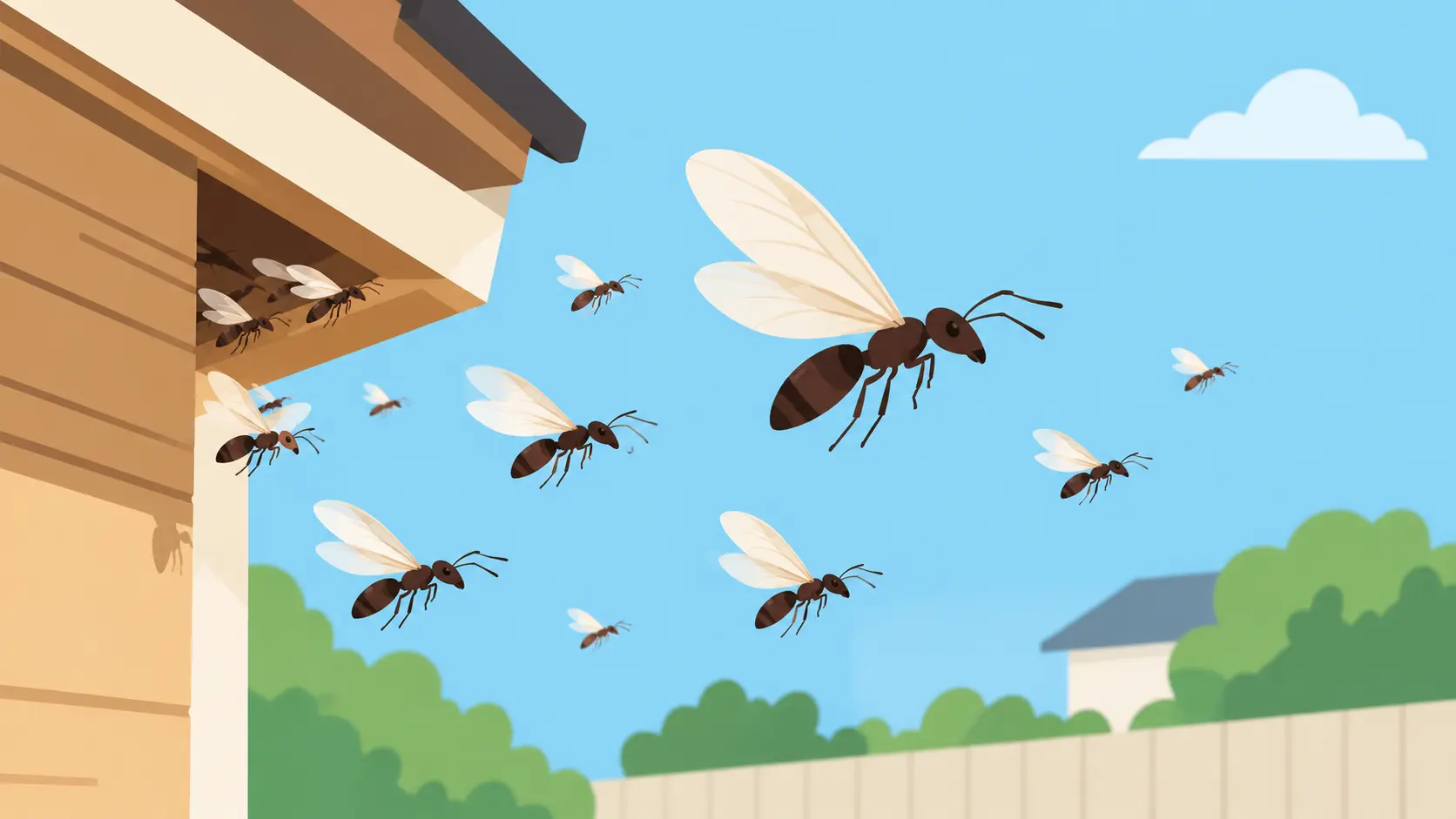
Small piles of shed, translucent wings near windowsills or doorframes usually follow a swarm of winged termites (alates) starting a new colony nearby.
Blistered, bubbling, or peeling paint on walls and ceilings can point to moisture and damage from termite activity underneath.
Frames that suddenly warp, stick, or become difficult to open can be a result of termites damaging the timber and surrounding structure.
Spotting termites in soil near your foundation, or a swarm of winged termites, particularly after rain, signals an active nearby colony. Here’s how to tell flying ants from termites.
Why Durban Homes Are Especially at Risk
Durban’s subtropical climate creates near-perfect conditions for subterranean termite colonies to establish and spread.
- High humidity Durban’s coastal humidity keeps soil and timber moisture levels elevated, which is exactly what termite colonies need to thrive.
- Warm year-round climate Unlike colder regions where termite activity slows in winter, Durban’s mild temperatures let colonies keep foraging and expanding throughout the year.
- Older homes with untreated or lapsed soil poisoning Many established Durban suburbs have homes where pre-construction soil treatment was never done, or has lapsed and needs renewing.
- Coastal & inland variety From Umhlanga to Hillcrest, different suburb microclimates and soil types all favour termite activity in slightly different ways, so treatment needs to be property-specific.
Seeing these signs at home? WhatsApp Mark for a free termite treatment quote or call 064 527 6227.
Our Termite Treatment Process
Our Durban pest control and fumigation experts check foundations, skirting boards, roof timbers, and surrounding soil for shelter tubes, active activity, and existing damage.
We apply professional-grade soil poisoning, termite fumigation or baiting treatment around and beneath the structure, targeting the colony at its source.
Our treatment begins to take effect immediately.
Termite Treatment Areas
We provide termite treatment and termite control for homes across Durban and the surrounding suburbs.
Protect Your Home Today
Get a free, no-obligation termite treatment quote from a family-run business with over 30 years of experience protecting Durban homes.
Frequently Asked Questions (FAQs)
How do I know if I have termites and not wood borer?
Termites leave mud shelter tubes along foundations and walls and hollow out wood while leaving the outer surface largely intact, while wood borer leaves small round exit holes and fine powdery dust. If you’re unsure, we can inspect and identify the exact pest during an assessment.
How much does termite treatment cost in Durban?
Cost depends on the extent of the infestation, the size of your property, and whether it’s a full soil poisoning treatment or a targeted spot treatment. We provide an exact, no-obligation quote once we have assessed your property.
Can termite damage be repaired, or does timber need replacing?
Lightly affected timber can sometimes be treated and preserved, while severely hollowed or structurally compromised wood may need replacing. We’ll advise honestly on what’s needed after inspecting the damage.
How long does termite treatment take to work?
Soil poisoning treatment is usually applied in a single visit and starts working immediately, though it can take some weeks for an existing colony’s activity to fully die down. We’ll explain the expected timeline for your specific case.
Do I need a termite certificate to sell my Durban home?
Many property transactions in South Africa require a valid beetle-free or pest clearance certificate as part of the sale agreement. We issue documented certificates after treatment or inspection for exactly this purpose.
Is termite treatment safe for my family and pets?
Yes, we use registered, professional-grade products applied according to safety guidelines. We’ll advise on any precautions, such as keeping pets off treated soil until it dries, specific to the treatment used on your property.
Our Other Home Pest Control Services
Termites are not the only wood destroying pest in Durban homes. If you have spotted small holes and fine dust in your timber, our wood borer treatment may be what you need, and our termite or wood borer checker can help you tell the two apart. We also handle bed bug treatment and quick exterminations for everyday household pests.
Related Guides
Practical advice from Mark, if you’d like to read up before you book.