

Registered Pest Control Operator · Reg. No. P54412 · 30+ years, second-generation technician
A shongololo is a millipede. The word comes from the isiZulu ishongololo and isiXhosa isongololo, from ukushonga, “to roll up”, which is exactly what it does when you touch one. You’ll also see it spelled songololo, chongololo, shongalolo or tshongololo. They aren’t poisonous and they don’t bite, though they can leave an irritating fluid on your skin. (Source: Dictionary of South African English.)
Found something less friendly than a shongololo? WhatsApp Mark or call 064 527 6227.
You’re walking to your car. Something long, dark, and unbothered is crossing your path in absolutely no hurry.
You stop.
It stops.
It curls into a perfect little coil, like it’s just told you a secret and is waiting for your reaction.
Congratulations. You’ve met a shongololo. And whether you know it or not, you’ve just had a small, slow, slightly dramatic South African moment.
Tap a card. Myth or fact?
Shongololos bite people.
They don’t bite or sting. They’re not built for it, and they’re not interested in you either.
They can grow up to 30cm long.
The giant African millipede really does reach around 30cm. That’s a third of a metre.
Squeezing one is harmless.
Squeeze one and it can release a defensive fluid that irritates skin and eyes. Scoop, don’t grip.
They show up more after rain.
They’re drawn to moisture, and Durban’s rain and humidity are basically an open invitation.
A shongololo is the same as a centipede.
Different creatures. Millipedes have two pairs of legs per segment and don’t bite. Centipedes have one pair and can.
Sweeping one outside is safer than squashing it.
Sweep it into a container and let it go in the garden. No fluid, no fuss, no bad vibes. The same container trick works for South African rain spiders, another harmless visitor with a bad reputation.
What Is a Shongololo in English?
In plain English, it’s a millipede.
The name comes from the Zulu and Xhosa word ukushonga, which means “to roll up.” Which, if you’ve ever poked one (please don’t), is exactly what it does. Rolls up, waits you out, and carries on with its day once you’ve lost interest.
Some of the ones you’ll find here can grow properly big. The giant African millipede can reach up to 30cm. That’s not a typo. That’s a third of a metre of millipede, moving through your garden at its own unbothered pace.
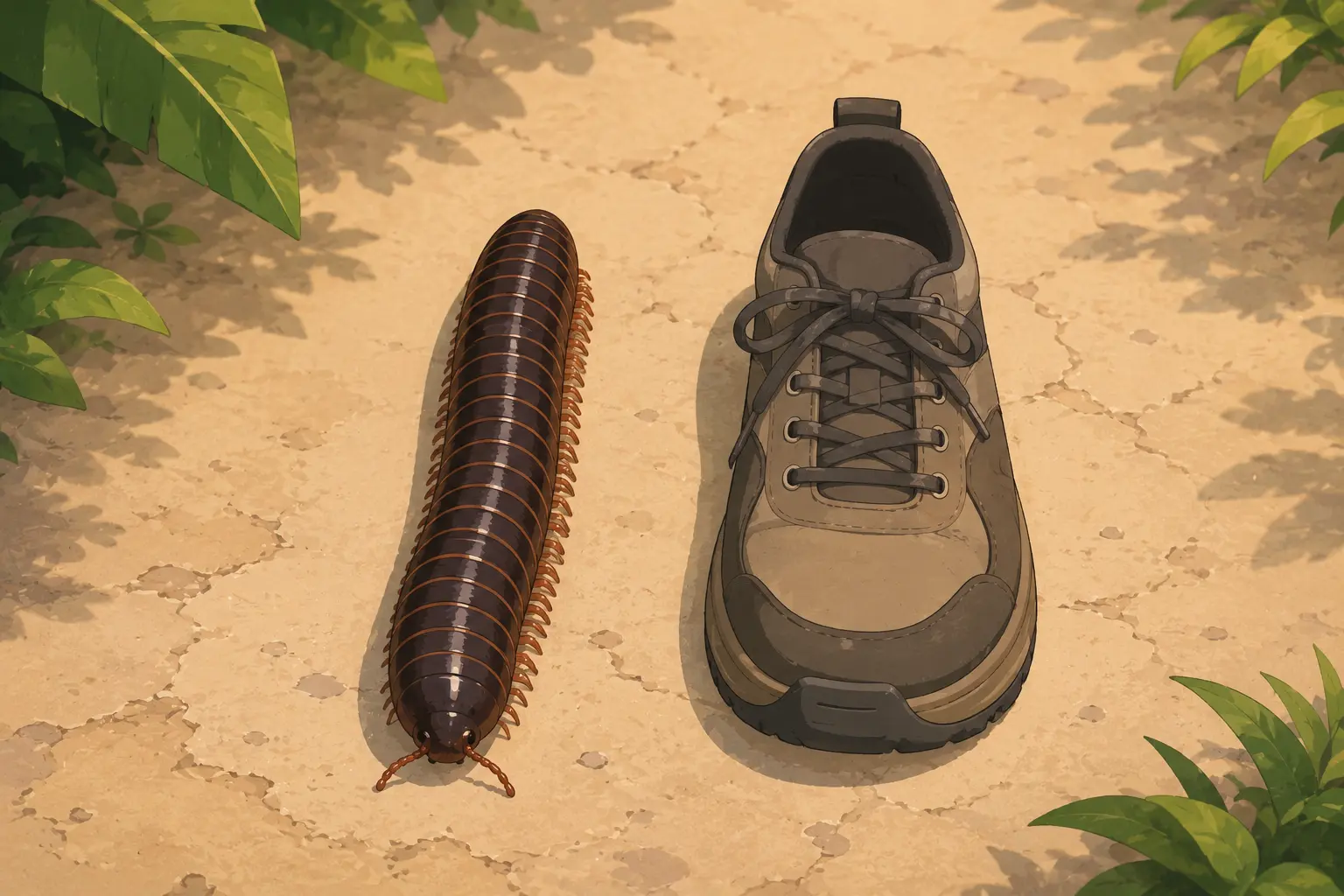
They show up most after rain. Durban’s humidity practically sends out the invitations.
Shongololo vs Centipede: What’s the Difference?
People often mix the two up, and plenty of searches ask for the Zulu word for a centipede when they mean a shongololo. A shongololo is a millipede: two pairs of legs on each body segment, slow, rounded and harmless. A centipede has one pair of legs per segment, a flatter body, moves fast and can give a painful bite. If it curls into a coil when you touch it, it’s a shongololo.
What Do Shongololos Eat?
Mostly decaying leaves, rotting wood and other dead plant matter, which is why they appear in gardens and on paving after rain. They help break down leaf litter, so outdoors they’re doing a useful job.
The Spiritual Side (This One We Take Seriously)
Here’s where this creature is different from every other pest we write about.
For a lot of South Africans, a shongololo isn’t just a bug. It carries real spiritual weight. In various traditions and beliefs, it’s been connected to the ancestors, to patience, to water spirits, and to messages arriving for people who’ve been putting something off.

That’s not a fringe idea. It’s a genuine, widely held belief, and we’re not about to reduce it to a fun fact.
So if you’ve ever found one in your house and felt something more than “ew,” you’re not being dramatic. You’re tapping into something a lot of people around you would recognise immediately.
A Few of the Interpretations You Might Hear
Ask around and you won’t get one answer, you’ll get several. Here are some of the interpretations that come up most.
- A message from the ancestors. For many, a shongololo showing up is read as a sign that the ancestors are trying to reach you or watching over the household.
- A nudge to slow down. Given how unhurried it is, some see it as a symbol of patience, telling you to stop rushing whatever you’re rushing.
- A sign of delay, not disaster. A few interpretations tie it to something good on its way but not quite arrived yet, a delay rather than a setback.
- Protection and groundedness. Others take it as a protective presence, something watching over the home rather than threatening it.
None of these are official, and none of them are ours to hand out. Which interpretation fits depends on who you ask, and that’s exactly the point, this isn’t a one-size-fits-all symbol.
Our Honest Take
We’re a Durban pest control company, not sangomas. We’re not going to tell you what it means when one shows up in your hallway.
What we will say is this: in 30-odd years in this industry, we have treated a lot of homes for a lot of things people were afraid of. A shongololo has never once been one of them.
If anything, it’s the one creature on our call-out list that homeowners seem almost fond of. Nobody’s ever asked us to “urgently deal with” a shongololo. They ask what it means. They ask if it’s safe to move it outside by hand. Some ask if they’re allowed to feel a bit sentimental about it.
You are. It’s a fairly harmless houseguest, all things considered.
Shongololos are usually the least of your worries. If ants or cockroaches are getting in too, one inspection covers everything at once, not just the one pest you noticed. See our residential pest control services.
Are They Dangerous?
Short answer: no.
They don’t bite. They don’t sting. They’re not interested in you at all, really.
The one thing worth knowing: when threatened, a shongololo can release a defensive fluid that can irritate skin, and can really irritate eyes if you rub them after handling one.
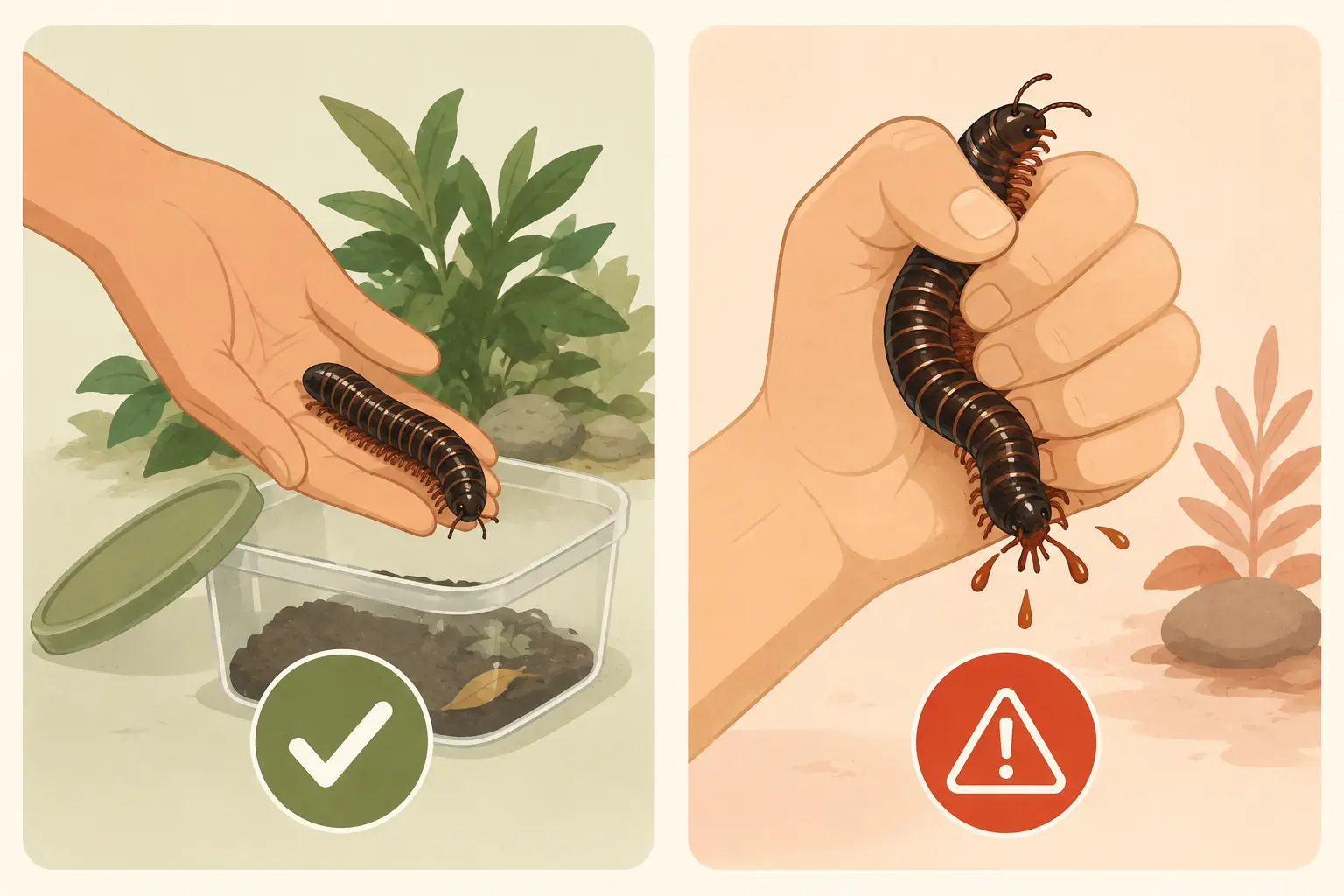
So the rule is simple: look, don’t squeeze. If you’re moving one outside, scoop, don’t grip, and wash your hands after. That’s the whole safety briefing.
Keeping Them Out Without Losing Any Soul Points
Maybe you’re spiritually curious but practically done with finding them in the bathroom. Fair. Here’s how to make your home less appealing, no offence intended to any ancestors.
- Clear the damp stuff. Leaf litter, mulch, and wet garden debris right up against your walls is basically a welcome mat. Pull it back a bit.
- Seal the gaps. Same advice as always: gaps under doors, cracks around pipes, any low-level entry point. They’re not climbing in through a window. They’re strolling in through the front.
- Fix standing water. Blocked gutters, pooling water near the foundation, that sort of thing. Moisture is the whole draw.
- Sweep, don’t squash. Squashing releases that defensive fluid and, frankly, feels like a bit much for a creature that was just passing through. Sweep it into a container and let it out in the garden.
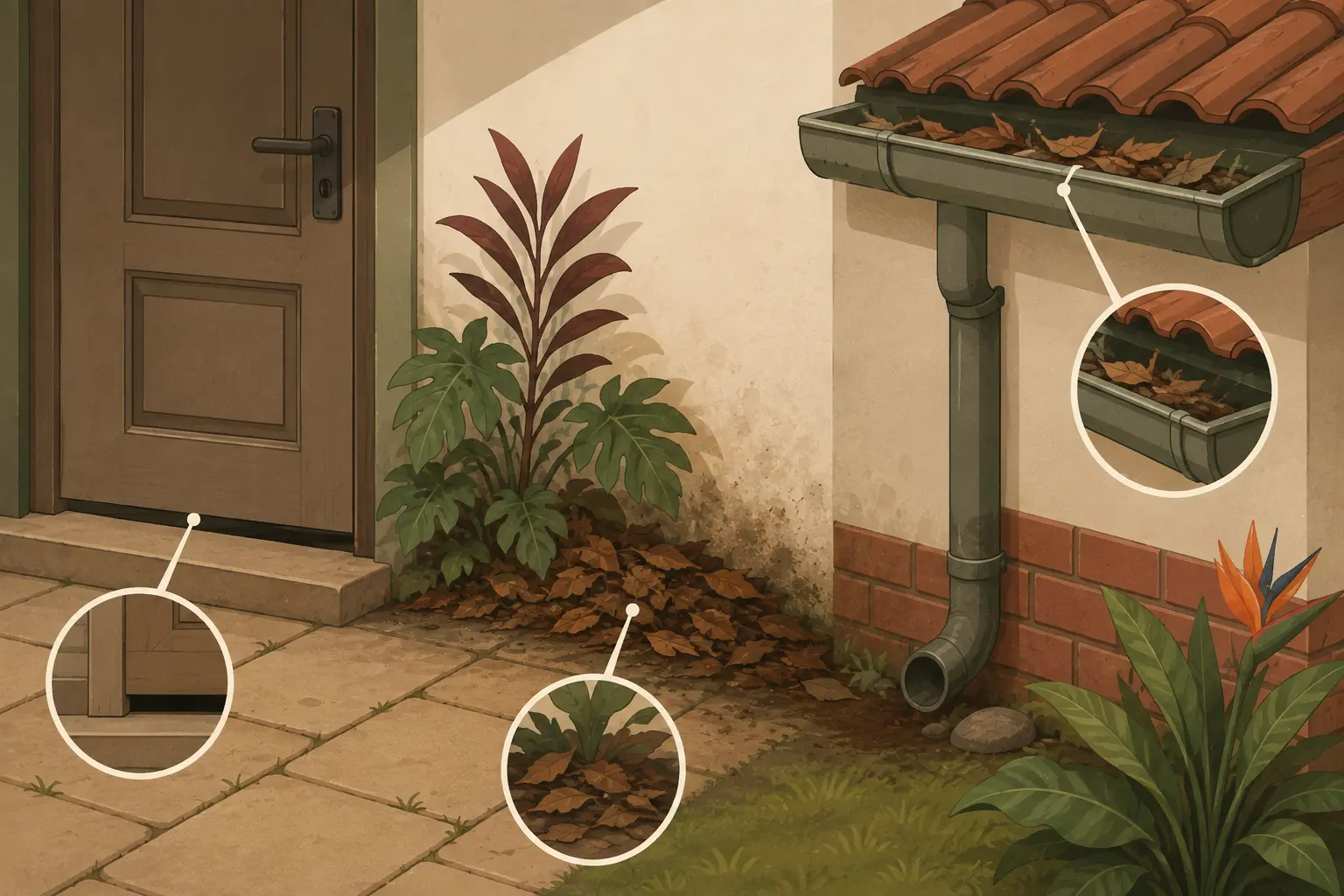
Do that consistently and you’ll see far fewer of them indoors. You’ll still see plenty in the garden. That part’s non-negotiable. It’s Durban.
Shongololos in Your House: What to Remember
A shongololo in your house isn’t a pest emergency. For a lot of people, it’s not even really a pest.
Respect what it might mean to you or your household. Handle it gently if you move it. And if what you’re dealing with is something else entirely, cockroaches, ants, the less charming crowd, that’s what we’re here for. Our cockroach control in Durban targets the places they breed, so you stop finding them in the kitchen at night.
Thank you, and God bless.
Mark Abraham Registered Pest Control Operator · Reg. No. P54412 · Structural Pest Control (Commercial & Domestic), Dept. of Agriculture, Act 36 of 1947
Shongololos taking over your garden or entryway? We can help keep them, and everything else, out of your home. Running a restaurant, guesthouse or warehouse? Our commercial fumigation in Durban keeps you pest-free and ready for inspection. See our residential pest control services.
Frequently Asked Questions (FAQs)
What is a shongololo in English?
A millipede. Shongololo is the Zulu and Xhosa word for millipede, from ukushonga, meaning “to roll up,” which describes how it curls into a coil when disturbed.
Are shongololos dangerous or poisonous?
No. They don’t bite or sting. When threatened they can release a defensive fluid that may irritate skin or eyes, so it’s best to sweep rather than handle one directly, and wash your hands afterward.
Why do I see so many shongololos after it rains in Durban?
They’re drawn to moisture, and Durban’s humid climate combined with rain creates ideal conditions for them to move around in large numbers, especially in the evening.
What does it mean if a shongololo comes into my house?
For many South Africans it carries genuine spiritual significance, often associated with the ancestors, patience, or a message. We don’t offer spiritual interpretation ourselves, but we treat the belief with respect.
How do I keep shongololos out of my house?
Clear damp leaf litter and mulch away from your walls, seal gaps under doors and around pipes, and fix any standing water near your foundation. These steps reduce the moisture that draws them indoors.
How big can a shongololo get?
The giant African millipede, one of the larger species found in South Africa, can grow up to around 30cm long.
You Might Also Like
What Do Scratching Noises in Your Durban Home Mean?
What that noise in your ceiling or walls is probably telling you.
What Is the Difference Between Exterminator and Pest Control in Durban?
The real difference between an exterminator and a pest control service.

What Makes the Best Pest Control Company in Durban?
What separates a good pest control company from an average one.