
Registered Pest Control Operator · Reg. No. P54412 · 30+ years, second-generation technician
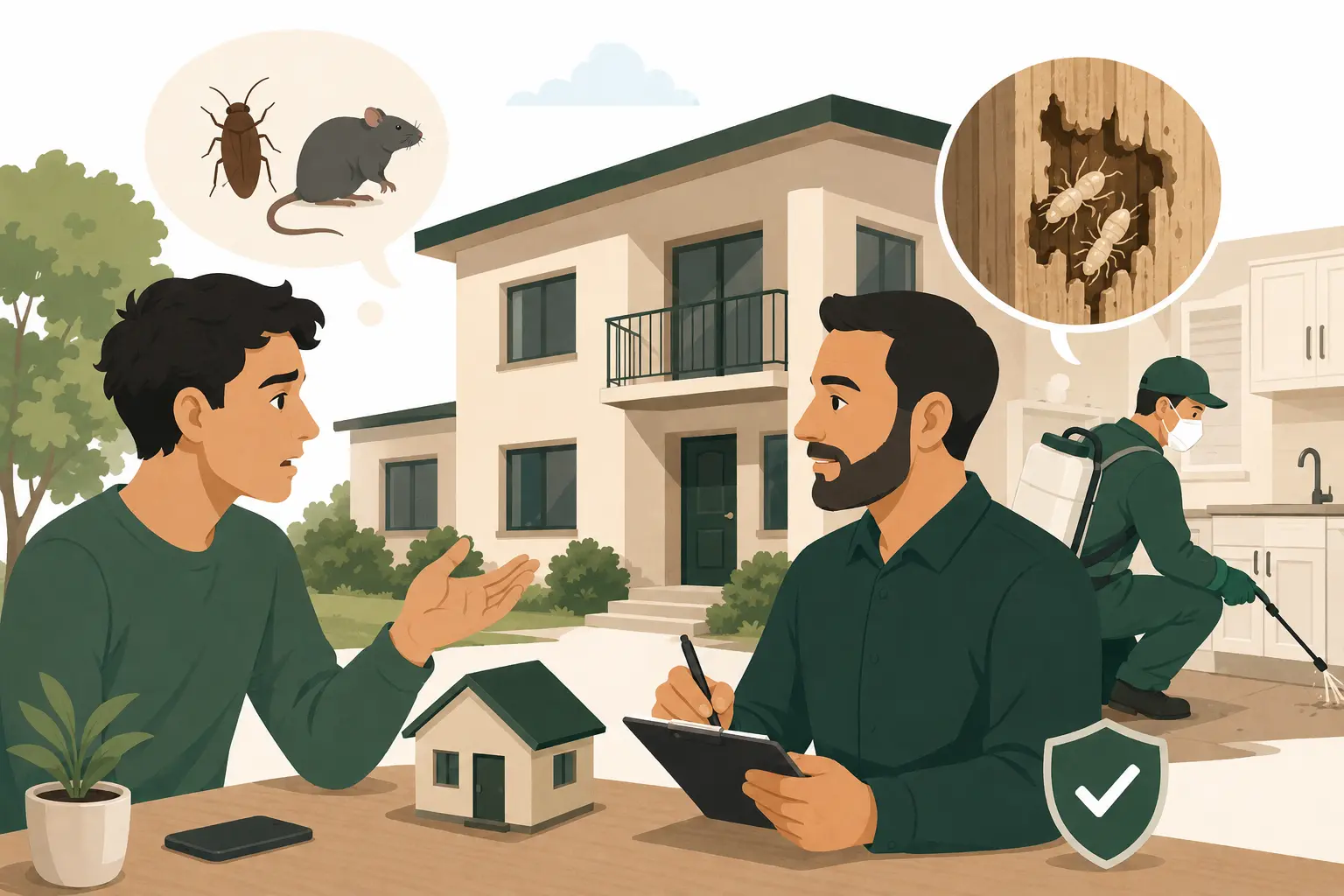
I get calls about this more than you’d think. Someone’s found cockroaches in a rented flat, or rats in the roof, and before they’ve even asked how to get rid of them, they want to know if they can make the landlord pay for it.
Need a written report to settle it? WhatsApp Mark or call 064 527 6227.
Landlords call about the same thing from the other direction, wanting to know if they’re liable or if this is just a tenant problem they’re stuck footing the bill for.
There’s an actual law that covers this, so it’s not just opinion either way.
There’s an Actual Law That Covers This
Let’s get factual. The Rental Housing Act requires a landlord to hand over a property that’s fit to live in. If there’s already an infestation when a tenant moves in, that counts as the property not being fit to live in, and it’s the landlord’s problem to fix, not the new tenant’s.
What Happens After You’ve Moved In
Where it gets more interesting is what happens after moving in. If the pest problem is coming from the building, a damp wall that never dries out, a drain that’s been leaking under the kitchen for years, a gap where the roof meets the wall, that’s still on the landlord. The building is what’s attracting the pests, and that’s a maintenance issue.
Blocks of flats add another layer. A cockroach problem in one unit rarely stays there, so treating a single flat often just moves the pests next door. In those cases the body corporate or managing agent is usually the one who needs to arrange pest control for the whole block, and the same goes for managed office buildings.
If it’s coming from how the tenant is living, food left out on counters, bins that don’t get taken down, that’s a different story. That’s on the tenant.
How to Prove Which Side You’re On
Most disputes I’ve seen aren’t about the law itself. They’re about proving which side of that line the problem falls on. So if you’re a tenant, report the issue in writing rather than a text message that’ll get lost. Take a photo. Give the landlord a reasonable amount of time to respond, keeping in mind a rat problem needs faster attention than one line of ants on a windowsill.
If It Drags On: The Rental Housing Tribunal
If it drags on with no response, the Rental Housing Tribunal exists for exactly this, and a genuine infestation that makes a home unlivable is grounds to go there.
What Landlords Should Do
If you’re a landlord, the smarter move is not waiting for it to get that far. A tenant reporting damp or a leak that’s bringing pests in is telling you about a small problem before it becomes an expensive one. If the property is a flat or a unit in a complex, see our pest control for apartments and flats.
Get it inspected before someone new moves in rather than after the first complaint. Keep a record when treatment is done, it protects you too if there’s ever a dispute later.
Not sure if what you’re dealing with is termites or wood borer? They’re treated differently, and mixing them up wastes time and money. See our residential pest control services.
Termites and Wood Borer Are Different
Termites and wood borer don’t really work with any of the above. You can’t settle that kind of thing by looking at a wall and guessing. Whether the damage predates a tenancy or not needs an actual inspection, and that’s usually the point where bringing in someone independent makes more sense than either side trying to call it themselves.
Landlord or Tenant: Who Pays in the End?
Most of the time, this doesn’t need to turn into a legal back-and-forth. A written report, a bit of patience, and someone who knows what they’re looking at, like a Durban pest control company, is usually enough to sort out who’s responsible, and get it fixed.
Need an independent inspection to settle the question? A documented report from a registered operator is often the quickest way to resolve a landlord and tenant dispute. Explore our residential pest control in Durban.
Frequently Asked Questions (FAQs)
Who is responsible for pest control in a rental property in South Africa?
It depends on when and why the infestation started. If pests were already present when a tenant moved in, or the problem is caused by a building issue like damp or a leak, it’s the landlord’s responsibility. If it’s caused by how the tenant is living, such as food left out or bins not managed, it’s on the tenant.
What should a tenant do if they find pests in a rental property?
Report it to the landlord in writing rather than a text message, and take photos as evidence. Give the landlord a reasonable amount of time to respond, factoring in how urgent the problem is; a rat infestation needs a faster response than a few ants.
What can a tenant do if the landlord won’t act on a pest problem?
If a landlord doesn’t respond within a reasonable time, a tenant can approach the Rental Housing Tribunal. A genuine infestation that makes the property unfit to live in is valid grounds to take the matter there.
You Might Also Like
Can Your Durban Business Be Fined for Not Having Pest Control?
What Durban business owners are legally required to have in place.
How Much Does Pest Control Cost in Durban?
What affects the price of pest control in Durban.

What Makes the Best Pest Control Company in Durban?
What separates a good pest control company from an average one.